Out of Stock

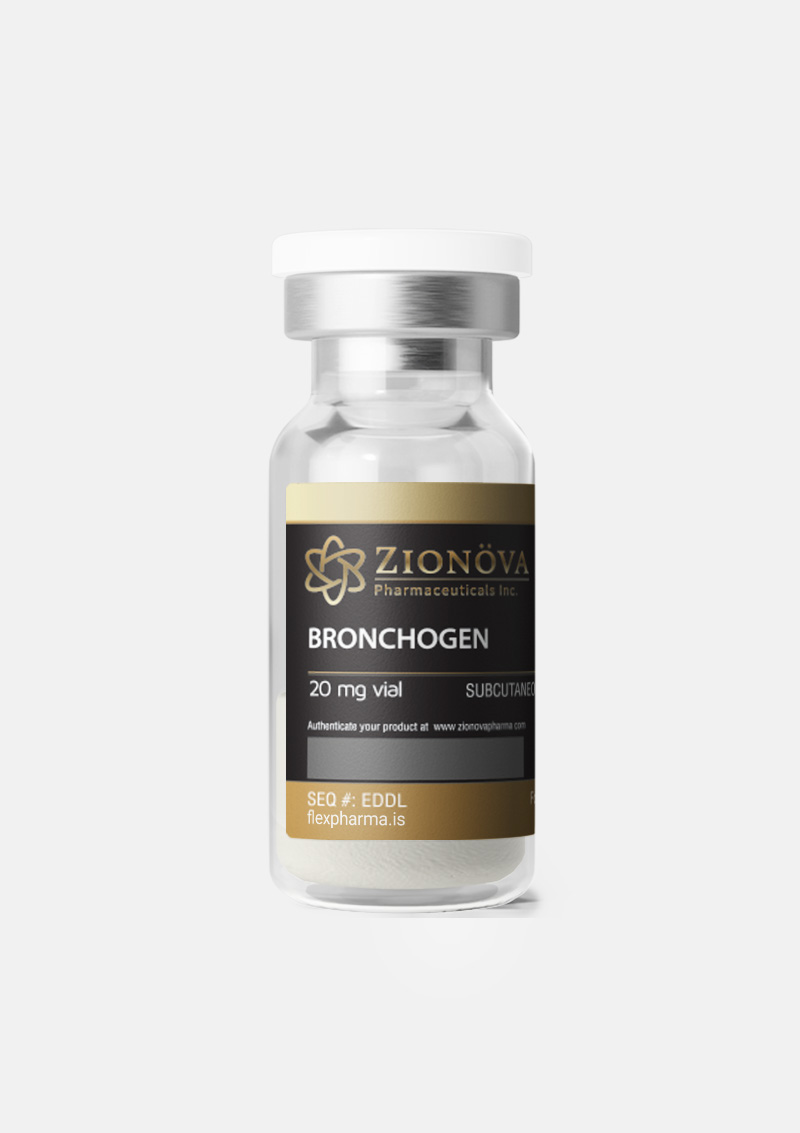
Bronchogen (20mg)

$110.00

Bronchogen is a laboratory-developed tetrapeptide bioregulator consisting of alanine, glutamic acid, aspartic acid, and proline. It is researched for its potential to support respiratory tissue integrity, assist in bronchial cell regulation, and contribute to lung repair processes. In research settings, Bronchogen is examined for its effects on cellular signaling within pulmonary tissues, including pathways associated with airway structure, inflammatory modulation, and overall respiratory resilience.
Generic Name:

Bronchogen 20mg

Compound Information:

Molecular Weight: ~416 g/mol
Formula: AEDP (Ala–Glu–Asp–Pro)
Anabolic Rating: N/A
Androgenic Rating: N/A

Out of stock

SKU: PEP-(ZIO)-SKU-069 Categories:, , ,

Product Description

Lung Tissue Support and Respiratory Function

Bronchogen is a synthetic tetrapeptide bioregulator researched for its potential to promote respiratory tissue health and support lung function. Studies indicate it may influence cellular processes in bronchial and alveolar cells, making it relevant in investigations focused on pulmonary strength, tissue repair, and airway stability.

Pulmonary Gene Activity and Cellular Signaling

Bronchogen is examined in research exploring gene expression and intracellular communication within respiratory tissues. Findings suggest it may interact with regulatory elements involved in lung cell function, positioning Bronchogen as a peptide of interest in pulmonary bioregulation and regenerative research models.

Inflammatory Regulation and Airway Stability

Beyond structural support, Bronchogen is studied for its potential role in influencing inflammatory pathways and cellular stress responses in lung tissue. Research suggests it may contribute to immune balance and the modulation of localized inflammatory signals, making it relevant in respiratory recovery and tissue adaptation studies.

Epithelial Repair and Tissue Renewal

Bronchogen research also considers its possible impact on epithelial restoration and respiratory tissue regeneration. By supporting mechanisms linked to mucosal integrity and cellular renewal, it is explored in studies focused on maintaining airway structure and long term pulmonary resilience.

Dosage (Male)

100–300 mcg once daily

Dosage (Female)

100–300 mcg once daily

Dosage Frequency

Once daily

Dosage Type

Subcutaneous Injection

Active Half-Life

N/A

Chemical Name

H-Ala-Glu-Asp-Pro-OH (Alanine–Glutamic acid–Aspartic acid–Proline)

Stack With…

N/A

Post-Cycle Therapy

N/A

Need Help With the
Correct Peptide Mix?

Our peptide mixing calculator takes the guesswork out of dosing, giving you an exact, easy-to-follow guide based on your vial, syringe, and target dosage. Whether you’re new to peptides or simply want to double-check your math, we’ve made it simple and straightforward.

Just enter your total syringe volume, the amount of peptide in your vial, how much water you’re adding, and your desired peptide dose. The calculator will do the rest — making sure you get accurate measurements for safe, consistent use every time.

For A MCG Dose, Draw Up To Tick Mark .

These ranges are general, research-use suggestions to help you prepare your peptides. This calculator and recommended doses are not medical advice. Start low, assess tolerance, and adjust cautiously.

Dosage (Male)

100–300 mcg once daily

Dosage (Female)

100–300 mcg once daily

Dosage Frequency

Once daily

Dosage Type

Subcutaneous Injection

Our Guide to
Intramuscular Injection

Gather Your
Equipment

If you’re new to the process of injection, ensure you have all the essential supplies at your disposal before commencing. This includes the injectable substance, a sterile disposable syringe and needle, alcohol wipes, a secure container for proper needle disposal, cotton balls or gauze pads for cleansing, and optionally, a mirror for self-injection, if required. Having these items readily available ensures a seamless and uninterrupted injection process. It is vital to prioritize safety and efficiency to position your body optimally for health and longevity.

Compound
Extraction

Once all the necessary materials are assembled, proceed to extract the substance from the vial. Keep the vial upright, slowly pull back the plunger to draw the prescribed dosage into the syringe. Be careful to extract the exact amount prescribed, adhering to the instructions provided by your healthcare professional. After filling the syringe, gently tap it to dislodge any air bubbles. If any air bubbles are present, push the plunger up slightly to eliminate them, ensuring that only the specified amount of the substance is in the syringe. Familiarize yourself with the proper injection depth before advancing to the next step.

Preparation Before
Injection

Before administering your injection, choose a well-lit and clean area. Prior to starting, wash your hands thoroughly with soap and water to maintain hygiene. Once your workspace is prepared, ready the injection site, which could be the buttocks (gluteal muscles), thighs, or upper arm (deltoid muscle). Seek guidance from your healthcare provider on the appropriate site. Regardless of the chosen site, use an alcohol wipe to cleanse it, removing any dirt, oils, or contaminants. Allow the area to air dry completely after the cleaning process.

Compound
Administration

With the syringe prepared, it’s time to administer the injection. Hold the prepared syringe and carefully insert the needle into the designated injection site. Once the needle is inserted at the correct depth, pull back slightly on the plunger to confirm that you haven’t hit a blood vessel. If blood appears in the syringe, retract the needle and attempt again with a new needle tip. Assuming there is no blood, steadily and slowly push the plunger to inject the substance. Take your time to ensure a controlled and comfortable administration of the injection. After the full dosage is administered, withdraw the needle from the injection site.

Incorporate Bronchogen Into a Stack

N/A

01

Draw 2ml of Bacteriostatic Water USP from the vial.

02

Carefully inject the Bacteriostatic Water into the Bronchogen vial. Aim the stream along the side of the vial, avoiding direct contact with the lyophilized powder.

03

Gently swirl the vial to dissolve the powder completely. Ensure the solution becomes clear. Do not shake the vial vigorously.

04

Once mixed with 2ml, the concentration becomes 10 mg per mL. On an insulin syringe, this equals approximately 1 mg (1000 mcg) per 10 units. Since 100 units equals 1 mL, that corresponds to 10 mg (10,000 mcg).

05

The prepared solution can be administered subcutaneously (Sub Q). Injections can be either site-specific or administered in the lower abdominal fat area.

06

Once reconstituted with Bacteriostatic Water, the Bronchogen solution should be stored in a refrigerator. Use the mixed solution within 60 days to ensure potency and effectiveness.

When to Take it

Bronchogen is typically administered via subcutaneous injection in protocols focused on respiratory tissue support and pulmonary cellular regulation. Common dosing regimens involve daily administration or five consecutive days per week using low microgram doses, reflecting Bronchogen’s biological activity at relatively small concentrations. Protocols are often structured in defined cycles to support airway tissue adaptation and cellular recovery.

Timing of administration is flexible and is not dependent on fasting, physical activity, or circadian rhythm, as Bronchogen does not directly influence metabolic performance or endurance. Maintaining consistent daily timing throughout a protocol may help support stable cellular signalling within respiratory tissues.

After reconstitution with bacteriostatic water, Bronchogen should be stored at 2°C to 8°C (36°F to 46°F) and protected from light to preserve peptide stability throughout the dosing period.


Bronchogen is typically administered via subcutaneous injection in protocols focused on respiratory tissue support and pulmonary cellular regulation. Common dosing regimens involve daily administration or five consecutive days per week using low microgram doses, reflecting Bronchogen’s biological activity at relatively small concentrations. Protocols are often structured in defined cycles to support airway tissue adaptation and cellular recovery.

Timing of administration is flexible and is not dependent on fasting, physical activity, or circadian rhythm, as Bronchogen does not directly influence metabolic performance or endurance. Maintaining consistent daily timing throughout a protocol may help support stable cellular signalling within respiratory tissues.

After reconstitution with bacteriostatic water, Bronchogen should be stored at 2°C to 8°C (36°F to 46°F) and protected from light to preserve peptide stability throughout the dosing period.


Seek Guidance From a Medical Professional

Before contemplating the usage of anabolic steroids, it’s essential to seek advice from a qualified healthcare professional. They can evaluate your general health, discuss possible risks and advantages, and offer personalized guidance based on your specific needs.

Get High-Quality Items From Trusted Sources

Make sure to procure anabolic steroids from trustworthy sources to reduce the likelihood of receiving counterfeit or tainted products. Only buy from reliable suppliers who adhere to quality control standards and have a favorable reputation within the community.

Start Slow and Progress Gradually

If you opt to incorporate anabolic steroids, it is recommended to initiate the regimen with the smallest effective dosage. Incrementally raise the dosage if required, while closely monitoring your body’s reactions and any potential adverse effects.

Prioritize Proper Post-Cycle Therapy

Following the conclusion of a steroid cycle, it’s crucial to engage in a thorough post-cycle therapy routine. This aids in restoring natural hormone production, minimizing side effects, and preserving overall health and well-being.

When to Take it

Bronchogen is typically administered via subcutaneous injection in protocols focused on respiratory tissue support and pulmonary cellular regulation. Common dosing regimens involve daily administration or five consecutive days per week using low microgram doses, reflecting Bronchogen’s biological activity at relatively small concentrations. Protocols are often structured in defined cycles to support airway tissue adaptation and cellular recovery.

Timing of administration is flexible and is not dependent on fasting, physical activity, or circadian rhythm, as Bronchogen does not directly influence metabolic performance or endurance. Maintaining consistent daily timing throughout a protocol may help support stable cellular signalling within respiratory tissues.

After reconstitution with bacteriostatic water, Bronchogen should be stored at 2°C to 8°C (36°F to 46°F) and protected from light to preserve peptide stability throughout the dosing period.


(0 Reviews)

You may also like…

  • Sale
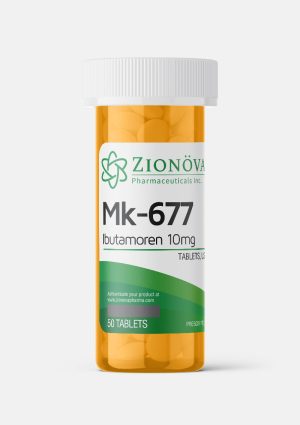
    Mk-677 by Zionova Pharmaceuticals Inc.

    MK-677

    Ibutamoren 10mg

    Original price was: $90.00.Current price is: $81.00.
    Add to cart
  • Sale
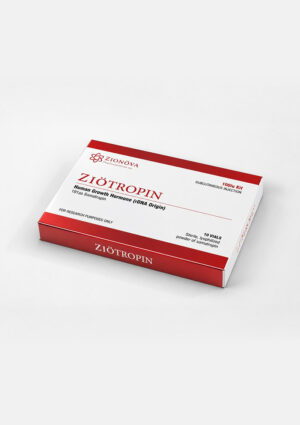
    ziotropin

    Ziotropin HGH (10iU)

    Somatropin 100iu kit

    Original price was: $310.00.Current price is: $279.00.
    Add to cart